The financial fallout from the Iran conflict has arrived in emerging Asia, and it’s hitting where it hurts most: energy bills, currency values, and the increasingly distant hope of monetary easing. A war that many investors initially treated as a contained regional event is now reshaping risk calculations across the continent’s most trade-dependent economies.
The Morningstar Emerging Markets Index fell 12.6% in March 2026, driven by risk aversion tied directly to fears of an oil shock. That kind of decline doesn’t happen because traders are mildly concerned. It happens because the math on energy-import costs just changed dramatically.
The Strait of Hormuz problem
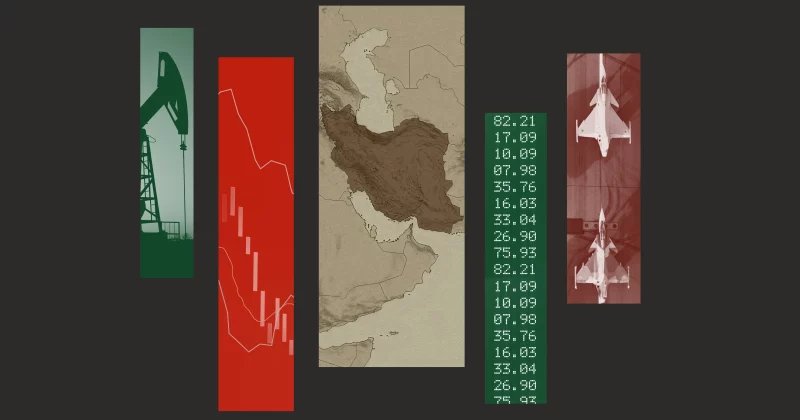
Here’s the thing about the Strait of Hormuz: roughly a fifth of the world’s oil passes through it on any given day. The Iran conflict has nearly halted traffic through the strait, choking off the single most important artery for oil and liquefied natural gas flowing to Asia.
East Asian powers import approximately 60% of their oil from the Middle East. In English: more than half the fuel powering factories in South Korea, refineries in India, and power plants across Southeast Asia comes through a waterway that’s now functionally compromised. That’s not a supply chain inconvenience. That’s an economic stress test.
South Korea offers a useful case study. Fuel prices there have climbed roughly 18% above pre-war levels, pushing inflation to a three-month high. For a country that runs its export-heavy economy on imported energy, that kind of spike doesn’t stay confined to the gas pump. It ripples through manufacturing costs, shipping rates, and consumer prices in ways that make central bankers very uncomfortable.
The pattern is repeating across the region. Higher energy import costs widen trade deficits, which put downward pressure on local currencies, which makes energy imports even more expensive. It’s the kind of feedback loop that keeps finance ministers up at night.
Currencies under pressure, rate cuts on hold
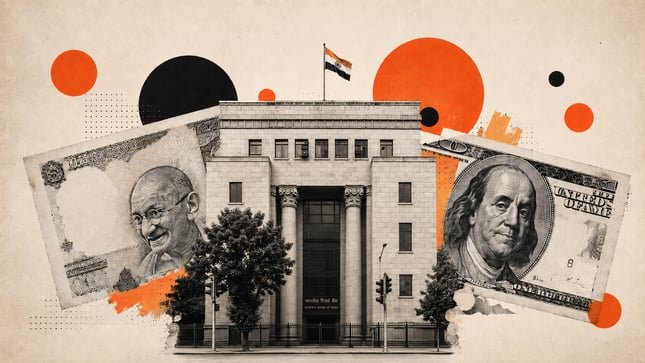
The currency story is where this gets particularly painful for emerging Asian economies. When oil prices surge, countries that are net energy importers see their current accounts deteriorate. Capital tends to flow toward safety, meaning US dollars and Treasuries, not rupees and ringgit.
That dynamic is playing out in real time. Asian currencies are weakening against the dollar, and central banks that were preparing to ease monetary policy are now stuck. You can’t cut interest rates when your currency is sliding and inflation is climbing. The playbook for rate cuts requires stable prices and manageable capital flows, neither of which is on offer right now.
Look at it from the perspective of India’s Reserve Bank or Bank Indonesia. Both institutions spent months signaling that rate reductions were on the horizon. The Iran conflict has essentially pushed that timeline back indefinitely. Defending a weakening currency while managing imported inflation requires tight monetary policy, the exact opposite of what these economies need to support growth.
The remittance channel adds another layer of pain, particularly for South Asia. Economists estimate a potential 35% drop in remittances from Gulf states to the region. For India alone, that translates to annual losses estimated between $5B and $10B. Remittances aren’t abstract financial flows for these economies. They’re grocery money, school fees, and rent payments for millions of families. A decline of that magnitude has real human consequences beyond what shows up in GDP figures.
Stronger buffers, but for how long
The silver lining, if you can call it that, is that emerging Asian economies entered this crisis in better shape than they’ve faced past oil shocks. Foreign exchange reserves are larger. External balances have improved. The kind of catastrophic balance-of-payments crises that marked the late 1990s and early 2000s are less likely this time around.
But resilience has limits. Buffers work when shocks are temporary. If the Strait of Hormuz remains disrupted for months rather than weeks, those reserves start to look less like a fortress and more like a sandcastle at high tide. A prolonged conflict would force central banks to burn through FX reserves defending their currencies, leaving less ammunition for future crises.
For crypto markets, the implications are indirect but real. Risk-off environments in emerging markets historically push capital toward dollar-denominated assets, including stablecoins. When local currencies weaken and capital controls tighten, demand for dollar-pegged digital assets tends to increase in affected regions. That’s a pattern worth watching if the conflict extends.
Investors monitoring emerging Asian exposure should focus on three indicators: the duration of Strait of Hormuz disruptions, the trajectory of South Korean and Indian inflation prints, and any signals from major central banks about abandoning easing timelines. Each of those data points will tell you more about the trajectory of this crisis than any headline about military operations. The war may be in the Middle East, but the financial battleground is squarely in Asia’s currency and bond markets.