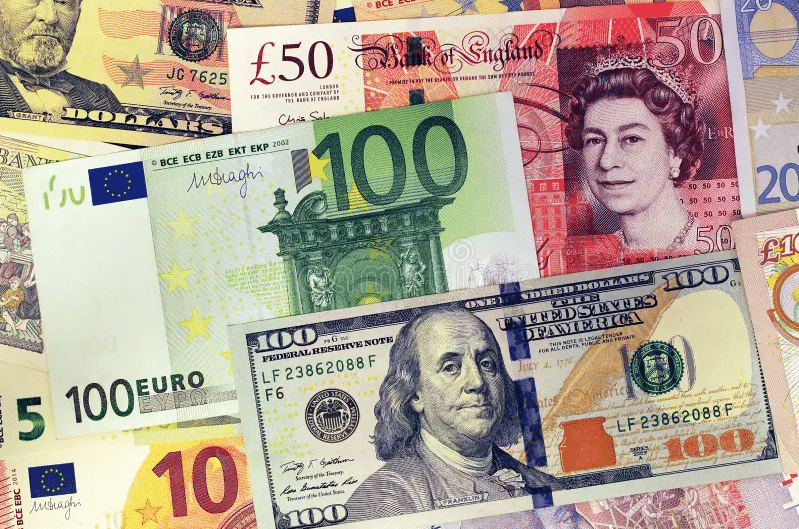
The pound, already suffering its worst week since November 2024, is likely to stay weak through the summer, driving up holiday costs, household bills and business pressures for millions of Britons, warns the CEO of deVere Group.
The warning from Nigel Green comes after sterling plunged from above $1.36 earlier this week to as low as $1.335 following Andy Burnham’s move to return to Westminster and position himself for a future Labour leadership battle, while Wes Streeting’s resignation deepened fears over Sir Keir Starmer’s authority.
The pound is now down almost 2% against the dollar this week alone as traders increasingly bet Britain faces months of political instability stretching across summer and potentially into autumn.
Nigel Green says markets are beginning to fear a long leadership vacuum at the centre of government.
“Currency markets are starting to price political risk back into the UK.
“Investors are looking at Westminster and seeing the possibility of months of infighting, uncertainty and distraction while major economic challenges continue building.”
Burnham still needs to become an MP before any realistic leadership challenge can fully take shape, raising the prospect of a drawn-out period of political manoeuvring inside Labour.
Westminster is due to break for its summer recess in mid-July and not return until September, potentially leaving markets facing six weeks of speculation with little political clarity.
“Parliament may shut down for summer, but the financial markets won’t.
“A six-week Westminster recess in the middle of an unresolved leadership struggle risks leaving the pound under sustained pressure through the summer months.”
The consequences are likely to hit households quickly.
British families travelling abroad this summer are already seeing their spending power squeezed as the weaker pound makes holidays in Europe and the US more expensive.
Flights, hotels, restaurants, car hire and everyday spending overseas all rise in cost as sterling falls.
“For many families, the first real sign of Westminster chaos will come when they arrive at the airport and realise their money buys less,” says the deVere CEO.
“A weaker pound acts like a stealth tax on households.”
The warning extends far beyond holidays.
Britain imports huge quantities of goods priced in dollars, including fuel, energy, food ingredients, electronics and consumer products. A weaker pound raises those costs for businesses, with many eventually passing higher prices onto consumers.
Nigel Green warns supermarket prices and household bills could come under renewed pressure if sterling weakness continues through summer.
“The UK remains heavily dependent on imports,” he says.
“When sterling falls sharply, higher costs spread through the economy surprisingly fast. Fuel, food and imported goods all become more expensive.”
Businesses are also likely to feel the strain.
Retailers, manufacturers and smaller firms importing goods from overseas face rising costs if the pound continues weakening against the dollar.
“Many businesses have only just started recovering from the inflation shock of recent years.
“A prolonged period of sterling weakness creates another serious headache for firms already dealing with high borrowing costs and slower growth.”
He says smaller companies are especially exposed because many lack the financial protection used by large multinational corporations to shield themselves from currency swings.
Also, investors are also becoming increasingly nervous that Britain could slide back into the kind of political instability that previously rattled financial markets and damaged confidence in UK assets.
“The concern is the possibility of months where nobody knows who ultimately controls the government’s economic direction.”
He adds: “Global investors always have alternatives. If Britain starts looking politically paralysed again, money moves elsewhere very quickly.”
Summer trading conditions could make the volatility even worse, with thinner market activity often amplifying currency swings during periods of political uncertainty.
Nigel Green believes the pound could remain under pressure for much longer than many currently expect if Labour’s internal battle intensifies.
“The real danger is a slow erosion of confidence across an entire summer dominated by uncertainty instead of leadership.”
He concludes: “If this leadership struggle drags into autumn, households, businesses and investors across the UK are all likely to feel the consequences.”