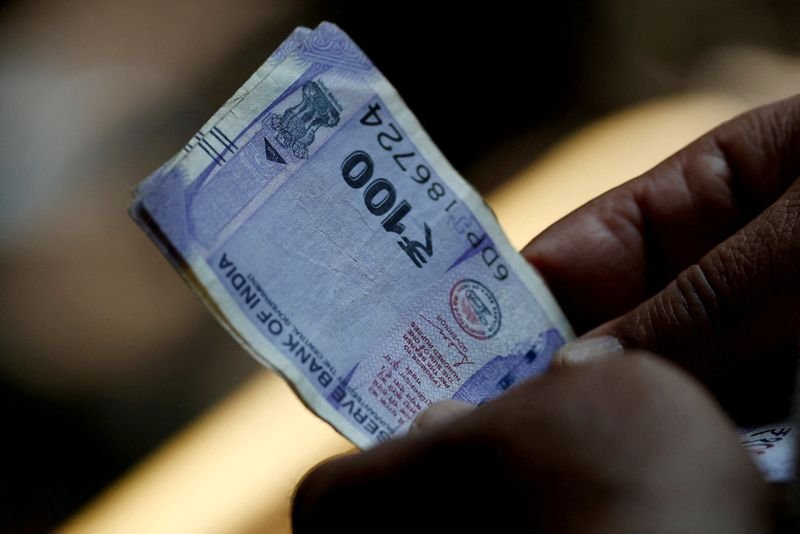
The Indian rupee sustained its gains on Monday as banks continued to unwind arbitrage trades, said currency dealers. The domestic currency rose 4 paise to 93.061 against the dollar, according to Bloomberg. During the day, it moved in the range of 92.78-93.10.
Followed by the Reserve Bank of India’s (RBI) measures, the rupee logged its largest single-day gain in the prior session on April 2, closing at 93.10, as banks trimmed arbitrage positions.
The rupee has depreciated 2.3% since the beginning of the war. So far in the calendar year, it has fallen 3.5%.
On March 27, the RBI directed banks to cap net open rupee positions in the onshore deliverable forex market at $100 million daily by April 10. It extended these curbs and barred lenders from offering certain offshore foreign exchange derivative contracts to both resident and non-resident clients.
What do market participants say?
“Banks squared off positions following the RBI instructions, but oil companies and importers stepped in to lock rates at higher levels, curbing further appreciation,” said Anil Kumar Bhansali, head of treasury, Finrex Treasury Advisors LLP.
A treasury official from a foreign bank said that the weakening dollar index broadly supported the rupee in holding steady at similar levels. The dollar index fell below 100 levels on Monday.
“Geopolitical uncertainty still persists. Volatility will remain on the card unless and until we get some clear indications on a ceasefire,” said Dilip Parmer, research analyst, HDFC Securities.
Some news reports indicated a potential ceasefire in the West Asia conflict. However, markets stayed confused due to divergence in comments from the US and Iran.
“The rupee has stabilised post-RBI announcement despite its depreciating trend. There is scope for further appreciation towards 92.50,” Parmer said.
He added FPI outflows remain a key concern. “Therefore, rupee appreciation will depend on FPI outflows and geopolitical stability.” FPIs offloaded equites worth $ 16 billion since the war broke out.