By Jaspreet Kalra
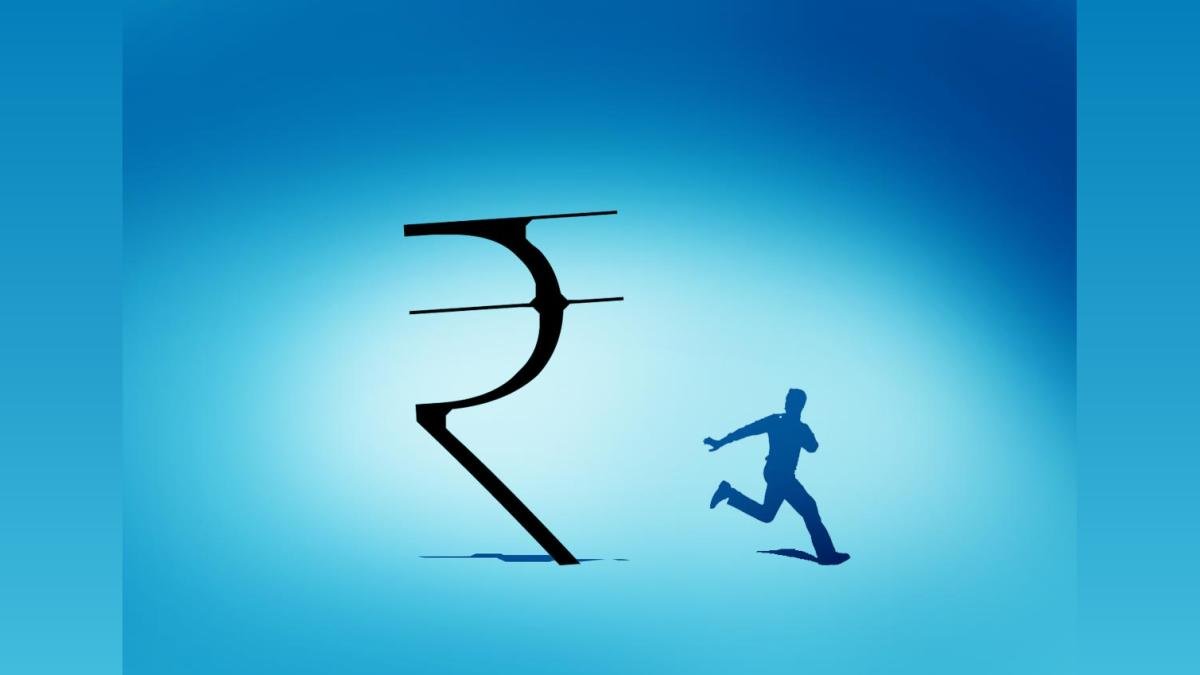
MUMBAI, March 23 (Reuters) – The Indian rupee fell to a record low on Monday as Indian assets dropped on worries that the Middle East conflict could keep energy supplies disrupted for longer, raising risks for Asia’s third-largest economy.
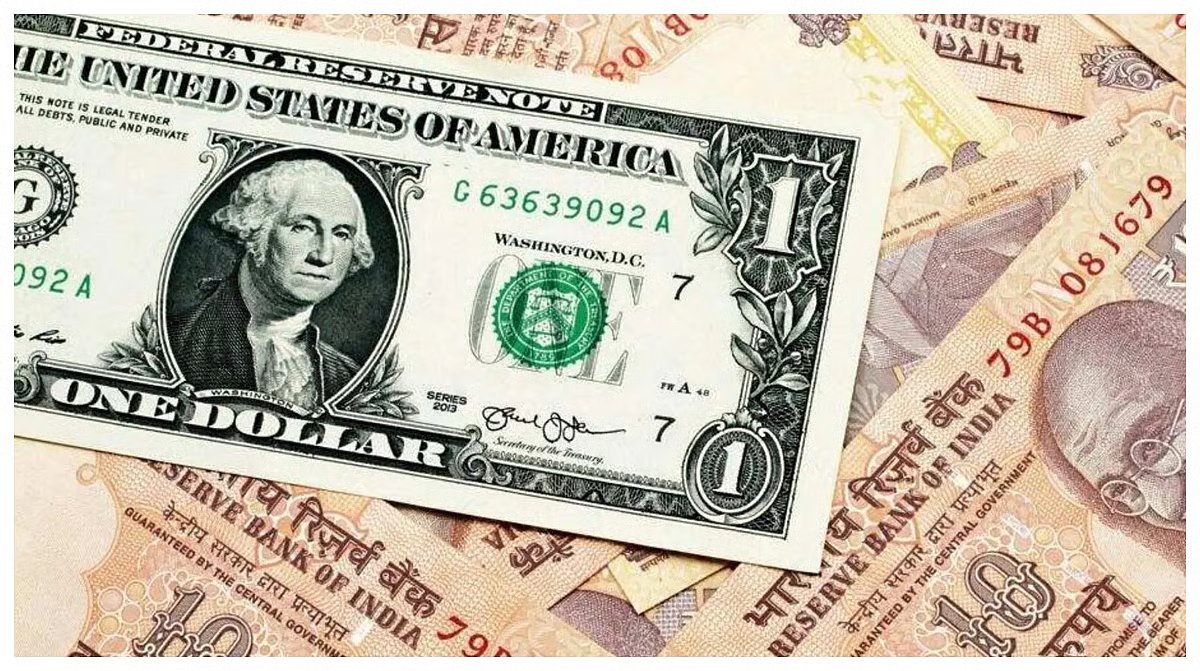
The rupee fell to 93.98 against the U.S. dollar, eclipsing its previous low of 93.7350 hit on Friday.
It dipped past the 94-per-dollar mark on the interbank order matching system after the local spot trading session ended at 3:30 p.m. IST.
The South Asian currency has declined about 3% since the Iran war began on February 28, hurt by an over 50% surge in oil prices and severe disruptions to gas supplies. Analysts reckon more pain could be in store for the rupee and its Asian peers if the war drags on.
Asian currencies were down between 0.1% to 0.8% on Monday as hopes of an off-ramp to hostilities dimmed over the weekend while the dollar index rose 0.3% to 99.9, benefiting from safe-haven demand.
“A sell-everything mood” in markets is affecting equities, bonds and precious metals, ING said in a note. “This is an ideal environment for the dollar, especially against higher beta currencies.”
India’s benchmark equity index Nifty 50 fell more than 2% on Monday, while the yield on the benchmark 10-year note rose 10 basis points to 6.847%.
Foreign investors have pulled out over $11 billion from Indian stocks and bonds in March, with the month on track for the heaviest monthly outflows since October 2024, further pressuring the local currency.
Despite multiple headwinds, the rupee has held up better than some of its peers during the crisis, helped by frequent interventions by the Reserve Bank of India.
While the rupee has declined 3% since the Iran war began, peers such as the Korean won and Thai baht are down 5% and nearly 6%, respectively.
On Monday, traders said that the central bank’s presence in the market was mild and likely concentrated in the non-deliverable forwards market.
Looking ahead, investors are keeping their focus on a looming deadline laid out by U.S. President Donald Trump. Trump has threatened to hit Iran’s electricity grid in case the Strait of Hormuz is not reopened by around 2344 GMT on Monday.
(Reporting by Jaspreet Kalra; Editing by Mrigank Dhaniwala, Sumana Nandy and Janane Venkatraman)