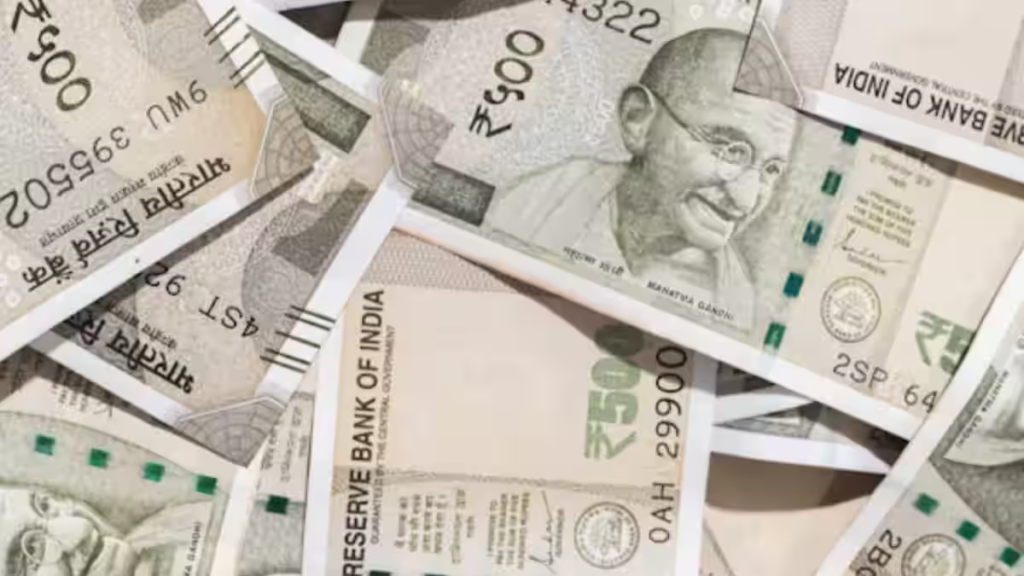
Rupee Vs Dollar: The Indian rupee recovered on Thursday after hitting a record low in the previous session, helped by gains in domestic equities and likely intervention by the Reserve Bank of India (RBI). Even so, global pressures such as rising crude oil prices, a stronger US dollar and continued foreign fund outflows kept the currency under strain.
The rupee ended the day at 91.60 per US dollar (provisional), strengthening 55 paise from its previous close in the interbank foreign exchange market.
During the day’s trade, the local currency opened weaker at 92.16 against the dollar. It later pared losses and moved higher, touching an intraday peak of 91.30 before settling near that level by the close.

RBI support steadies the rupee
Currency dealers said the central bank appeared to have stepped into the market to prevent excessive swings in the rupee.
Volatility in global markets has increased in recent sessions amid tensions linked to the conflict involving the United States, Israel and Iran. Market participants believe the RBI’s presence helped the rupee stabilise after the sharp fall seen earlier this week.
Oil prices and strong dollar remain concerns
Despite Thursday’s recovery, several external factors continue to weigh on the rupee’s outlook. The US dollar index, which tracks the greenback against a basket of major currencies, has been trading close to the 99 mark, near a six-week high. A stronger dollar generally puts pressure on emerging market currencies like the rupee.
Crude oil prices have also moved higher during the same time due to concerns over supply disruptions in West Asia. Brent crude was trading above $83 per barrel, supported by fears that tensions in the region could affect shipments through the Strait of Hormuz, a key route for global oil trade.
For India, which imports most of its crude oil requirements, rising prices tend to widen the country’s external deficit and weaken the currency. Economists estimate that every $10 increase in oil prices could push India’s current account deficit higher by about 0.5 per cent of GDP.
Foreign investors continue to pull out money
Another factor adding pressure on the rupee has been sustained selling by foreign investors in Indian equities.
Foreign institutional investors made a sold out of nearly Rs 10,000 crore worth of shares in the last one month, reflecting cautious global sentiment amid geopolitical tensions and dollar strength.
Strong fundamentals make things easy
Despite the ongoing volatile time, India’s broader macroeconomic picture remains majorly intact. India’s foreign exchange reserves is at around $723.6 billion, giving policymakers enough room to manage short-term currency pressures.
India’s current account deficit also narrowed to $30.2 billion during April–December 2025, compared with $36.7 billion in the same period a year earlier. India’s economy is projected to expand by about 7.5 per cent in FY2025-26, while consumer inflation is estimated to average around 2.75 per cent.
Potential trade agreements with the United States and the United Kingdom could further support exports and improve foreign currency inflows over time.
Mixed views on the rupee’s future
Global financial institutions remain divided over the rupee’s direction in the coming months.
Some remain optimistic. Bank of America expects the currency to strengthen toward 86 per dollar, while ING Bank sees levels around 87 per dollar over the longer term.
Others are more cautious. Fitch estimates the rupee could weaken to about 93 per dollar, while UBS has projected levels near 94 per dollar if global pressures persist.
For now, traders say the rupee’s next move will largely depend on oil prices, the strength of the US dollar and developments in West Asia, all of which are likely to keep currency markets volatile in the near term.