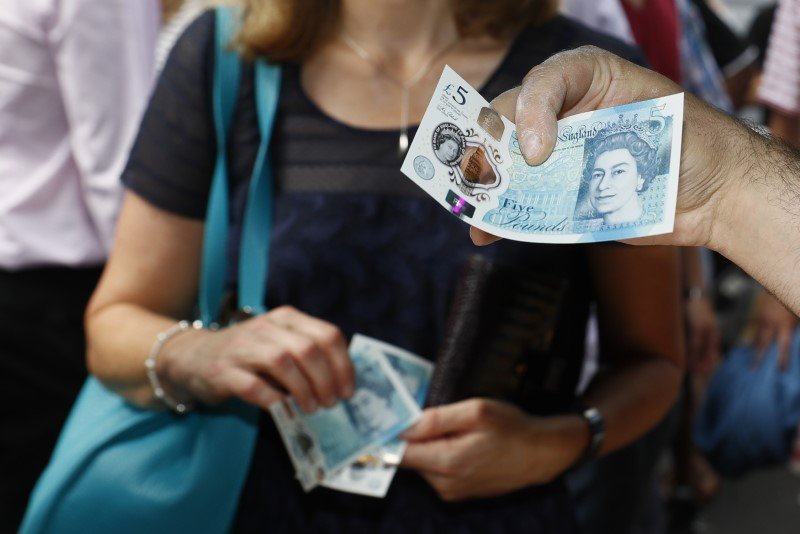

The Pound Sterling rallied more than 1% against the US dollar in late January, though attention is already turning to UK political risks that could cap further gains.
Pound to Dollar (GBP/USD): 1.37833 (-0.31%)
Euro to Dollar (EUR/USD): 1.19804 (-0.35%)
Dollar to Japanese Yen (USD/JPY): 152.632 (+0.09%)
Pound Sterling Rally Faces Test as UK Political Risks Approach
The pound has firmed alongside a broader recovery in risk assets, but sterling traders are increasingly wary that February could bring renewed volatility as UK political risks move back into focus.
Markets found support on Monday after an early wobble triggered by the sharp yen rally in Japan.
Stocks closed higher, while EURUSD and GBPUSD both extended recent gains.
The standout move of the session, however, came from precious metals.
Gold briefly touched an intraday record above $5,100 an ounce before pulling back, while silver experienced extreme volatility driven by its higher beta and tight physical supply.
Silver futures surged an extraordinary 14 percent to a fresh record above $115.08 per ounce, the largest single-day percentage gain since 1985.

Spot silver reached an all-time intraday high of $117.69 before suffering a rapid 13 percent pullback as profit-taking set in.
The rally was fuelled by a combination of factors, including renewed fears over a potential US government shutdown, fresh US tariff threats against Canada and South Korea, and broader concerns over confidence in the US dollar and sovereign bond markets.
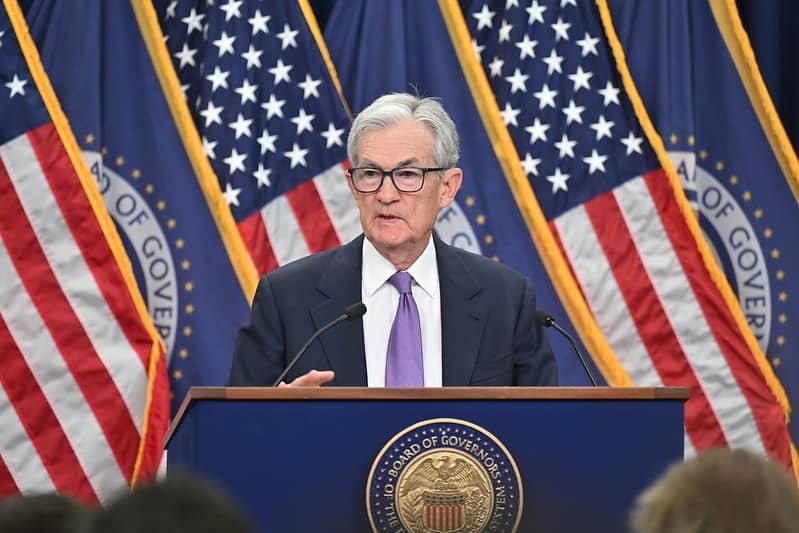
Attention now turns to the upcoming Federal Reserve meeting and whether precious metals can hold elevated levels or remain vulnerable to further sharp corrections.
Sterling Braces for February
While global factors have dominated headlines, domestic political risks are starting to loom larger for sterling.
The pound has benefited from relative stability in recent months, helped by cautious Bank of England policy and calmer fiscal expectations.
However, attention is now shifting toward Westminster, where upcoming political events could reintroduce uncertainty into the UK outlook.
The immediate focus for currency markets is the February 26 by-election.
The vote is widely seen as a test of the Labour government’s political momentum.
A strong showing by the Reform Party, particularly if it captures a seat from Labour, would be interpreted as more than a local setback.
Such an outcome could be viewed as a broader signal of voter dissatisfaction and a potential challenge to Prime Minister Keir Starmer’s authority.
Markets have generally favoured the current government for its perceived fiscal discipline and avoidance of major policy shocks.
Any sign that this stability is at risk could prompt a reassessment of sterling exposure.
The February vote also comes ahead of local elections in May, increasing the stakes.
A weak by-election result could embolden internal opposition and raise speculation about leadership pressures within the governing party.
For financial markets, the prospect of renewed political infighting is a clear negative.
Sterling remains sensitive to narratives that suggest a return to policy uncertainty or administrative paralysis.
If investors begin to price in a shift in leadership or a change in fiscal direction, an uncertainty premium could quickly re-emerge, pushing the pound lower against both the euro and the US dollar.
The rise of the Reform Party also complicates the fiscal outlook.
To counter populist pressure, the government may feel compelled to adjust its policy stance, potentially favouring higher spending or looser fiscal measures.
Such a shift could clash with the Bank of England’s efforts to keep inflation pressures contained and may undermine confidence in the UK’s medium-term fiscal trajectory.
As February approaches, sterling volatility is likely to increase.
Institutional investors are expected to hedge against political risk, particularly if opinion polls or media narratives begin to frame the by-election as a referendum on the government’s stability.
For now, the pound has held firm.
But with political uncertainty set to rise, February could prove a testing month for sterling.