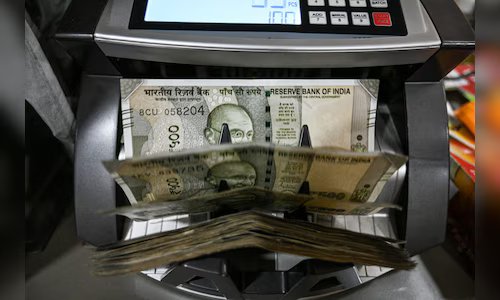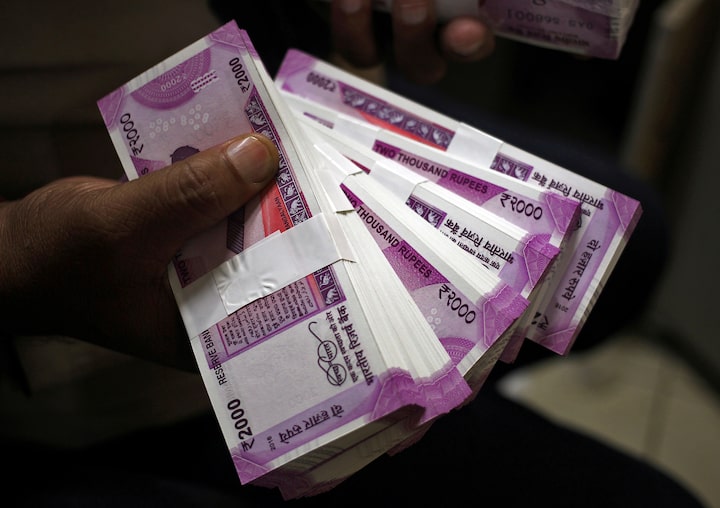
The Indian rupee is expected to remain weak and largely rangebound in the coming months, despite a newly announced trade agreement between the United States and India.
The survey, conducted after U.S. President Donald Trump announced tariff cuts on Indian goods, showed that analysts expect only limited support for the currency. The trade deal lowers U.S. tariffs on Indian products to 18% from 50%, but economists say the move alone is unlikely to trigger strong or sustained foreign capital inflows, News.Az reports, citing Reuters.
The rupee recently posted a short-term rebound, rising 1.36% against the U.S. dollar, its strongest daily gain since 2018. However, forecasts suggest the currency will likely stabilize around current levels rather than stage a major recovery.
Strategists predict the rupee could trade near 90.19 per dollar by the end of April 2026 and around 90.63 by the end of July. Longer-term forecasts suggest the currency could weaken slightly further to around 91 per dollar within a year.
Analysts say the rupee’s weakness is driven by multiple factors beyond trade tensions. These include foreign investor concerns about high valuations in Indian equity markets, slower earnings growth in some sectors and India’s limited participation in the global rally linked to artificial intelligence-driven technology stocks.
Foreign investors have remained cautious despite India’s strong economic growth outlook. Market experts note that equity outflows and profit-taking by global investors have contributed to pressure on the currency over the past year.
The Reserve Bank of India has helped limit sharper currency declines through intervention in the foreign exchange market. Analysts say the central bank is likely to continue closely managing currency volatility.
Economists also expect the central bank to keep key interest rates unchanged through at least the end of 2026, which could further limit near-term support for the rupee.
Overall, while the trade agreement may provide some short-term optimism, analysts say structural market factors and global investment trends are likely to play a bigger role in determining the rupee’s trajectory in the months ahead.