Unlock the Editor’s Digest for free
Roula Khalaf, Editor of the FT, selects her favourite stories in this weekly newsletter.
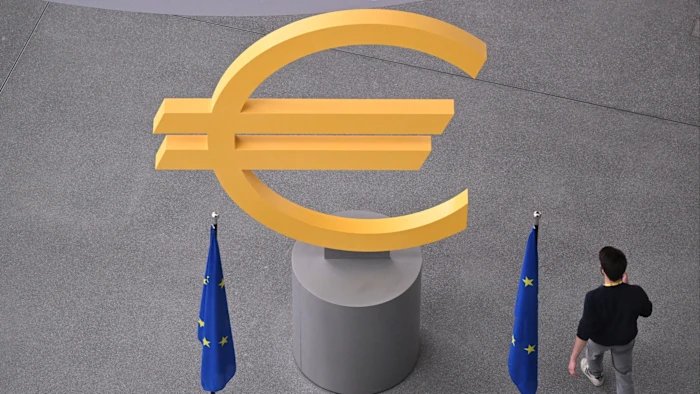
The European Central Bank would need to consider another interest rate cut if further increases in the value of the euro start affecting inflation forecasts, one of its governing council members said.
Austrian central bank governor Martin Kocher called recent gains by the single currency against the dollar “modest” and said they did not necessitate any response. But the ECB may need to act if any further increases were significant enough to lower inflation projections, he said in an interview, as he vowed to keep “full optionality” on monetary policy moves.
“If the euro appreciates further and further, at some stage this might create of course a certain necessity to react in terms of monetary policy,” Kocher told the FT. “But not because of the exchange rate itself, but because the exchange rate translates into less inflation, and then this is of course a monetary policy issue.”
Policymakers are watching the dollar closely as it extends losses against the euro and other currencies following tensions between the US and EU over Greenland. Investors have been diversifying from US asset holdings in response to policy risks sparked by Donald Trump’s administration.
Speculation about possible joint US-Japan action to support the yen this week has added to the dollar’s decline.

The single currency on Tuesday hit a more than four-year high against the dollar, at $1.199.
Kocher said that if the euro strengthens enough this could drive down import prices. The Chinese currency was also “structurally undervalued” with regard to the euro, he said.
If the euro’s gains continue “it is contributing to lower import prices”, Kocher explained. “Of course it also contributes to a situation where we are less competitive with regard to US competitors,” he said.
Last year, ECB vice-president Luis de Guindos said euro gains beyond $1.20 would become “complicated”, but Kocher declined to discuss what currency level would cause him concern. “It would not be serious to have a target on the exchange rate — the target is on the inflation rate,” he said.
Kocher said despite Trump’s decision last week to back away from imposing tariffs on European countries over Greenland, the threat of trade tensions made it difficult to give firm views about the outlook for European monetary policy.
Trade-related risks “remain on the table and I’m afraid they will remain on the table for the foreseeable future”, he said.
He said the Eurozone economy had been more resilient than expected despite the volatility in global trade, and he was “cautiously optimistic” about growth this year. Risks were more balanced than they were in the spring of 2025, when Trump made his so-called liberation day tariff announcements.
Upside risks included the possibility of stronger household spending if the savings rate came down, he said. The obvious downside risks were further trade tensions, geopolitical developments and the potential of a reversal in equity markets.
As things stand, there is no need for the ECB to change rates, said Kocher, who was speaking ahead of its February meeting next week. Rate-setters are widely expected to keep rates on hold for the fifth consecutive meeting, at 2 per cent.
“It makes absolute sense at the moment to keep full optionality of monetary policy decisions: the situation is uncertain,” he added.