During the year, the currency repeatedly hit record lows, at one point slipping past the 91-per-dollar mark, underscoring sustained depreciation pressure.
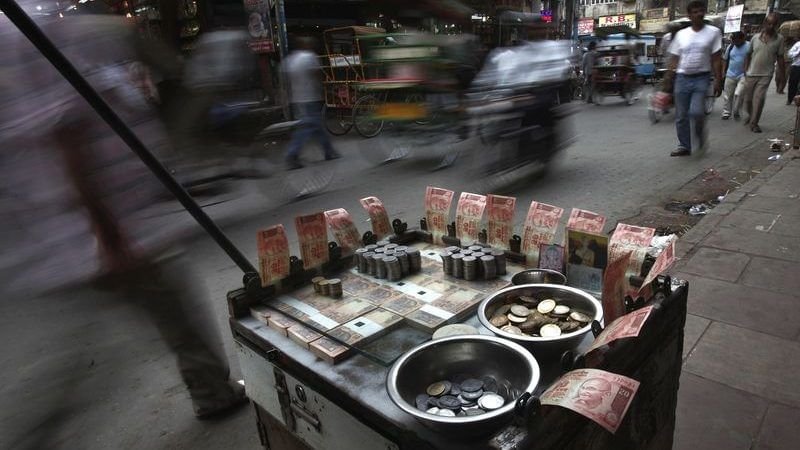
A garland made of Indian currency notes is displayed at a money exchange counter in the old quarters of Delhi, India, September 25, 2025. Photo: Reuters
“>

A garland made of Indian currency notes is displayed at a money exchange counter in the old quarters of Delhi, India, September 25, 2025. Photo: Reuters
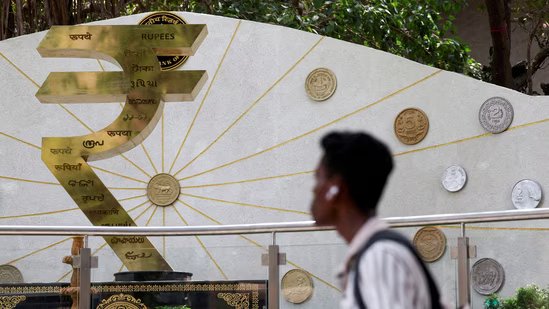
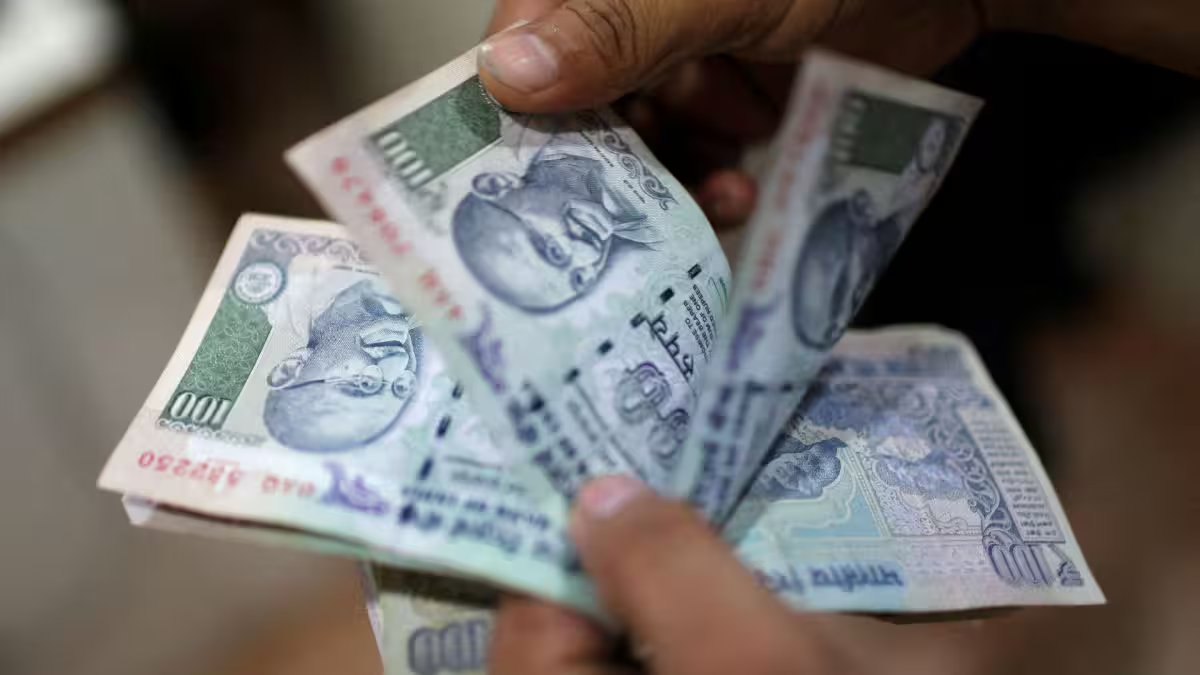
The Indian rupee is set to record its steepest annual decline in three years, weighed down by record equity outflows and the absence of a trade deal with the United States, which left the currency out of a broader rally across Asia.
The rupee was quoted at 89.8650 per US dollar at 10:00am IST on Wednesday, marking a 4.74% fall in 2025 — its worst performance since 2022, when it slid nearly 10%.
During the year, the currency repeatedly hit record lows, at one point slipping past the 91-per-dollar mark, underscoring sustained depreciation pressure.

“The rupee’s performance this year was largely a capital-flow story, with the RBI adopting a more pragmatic and flexible approach to the exchange rate and allowing the currency to weaken,” said Gaura Sen Gupta, an economist at IDFC First Bank.
India’s balance of payments slipped into a deficit of around $22 billion between April and November, the largest on record, highlighting growing external pressures, she added.
A trade deal with the United States could offer temporary relief, potentially lifting the rupee to around 88.50 by March, before underlying pressures re-emerge and weaken the currency again, Sen Gupta said.
A different story for the rupee
The rupee’s weak performance contrasts sharply with 2022, when aggressive interest rate hikes by the US Federal Reserve drove a broad-based rally in the dollar.
In 2025, the global backdrop was markedly different, with the dollar index down about 9.5% following US rate cuts and restrictive trade policies, which supported most Asian currencies.
Economists said the rupee’s underperformance relative to regional peers was largely driven by heavy equity outflows and slower capital inflows.
Foreign investors pulled a record $18 billion from Indian equities in 2025, while debt flows, external commercial borrowing and foreign direct investment remained subdued.
Prolonged negotiations with the United States further dampened investor sentiment by reducing clarity around India’s trade outlook. US policy uncertainty also weakened appetite for the rupee, setting it apart from Asian peers facing less tariff-related pressure.
Shift in RBI’s approach
The Reserve Bank of India’s stance toward currency movements shifted after Sanjay Malhotra took over as governor in December 2024.
Under Malhotra, the RBI has shown greater tolerance for rupee weakness, with market interventions focused mainly on managing depreciation expectations and countering one-sided speculative positions, bankers said.
This approach became evident in mid-December when the rupee breached the 91-per-dollar level for the first time. The RBI intervened to curb speculative pressure without defending any specific exchange rate level, according to bankers.
The rupee’s decline in 2025, alongside gains in other currencies, has also reduced concerns about overvaluation.
India’s 40-currency trade-weighted real effective exchange rate fell to 97.5 in November from 104.7 in January 2025, central bank data showed. A reading above 100 indicates overvaluation, while a level below 100 suggests undervaluation.
Dhiraj Nim, an economist and foreign exchange strategist at ANZ Bank, said that given steep US tariffs, a calibrated policy path allowing a mildly undervalued rupee over the medium term could support exporters.
“A weaker INR can cushion local-currency earnings of affected Indian exporters, providing some relief,” he said.