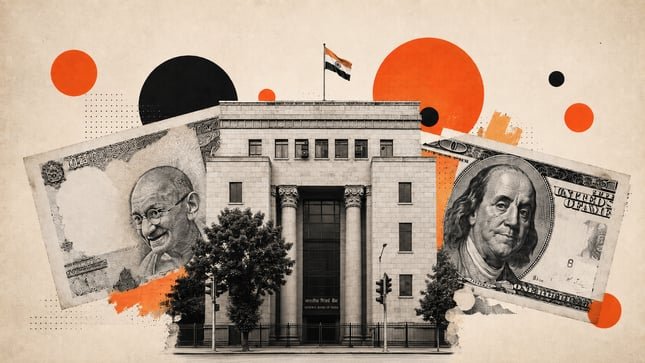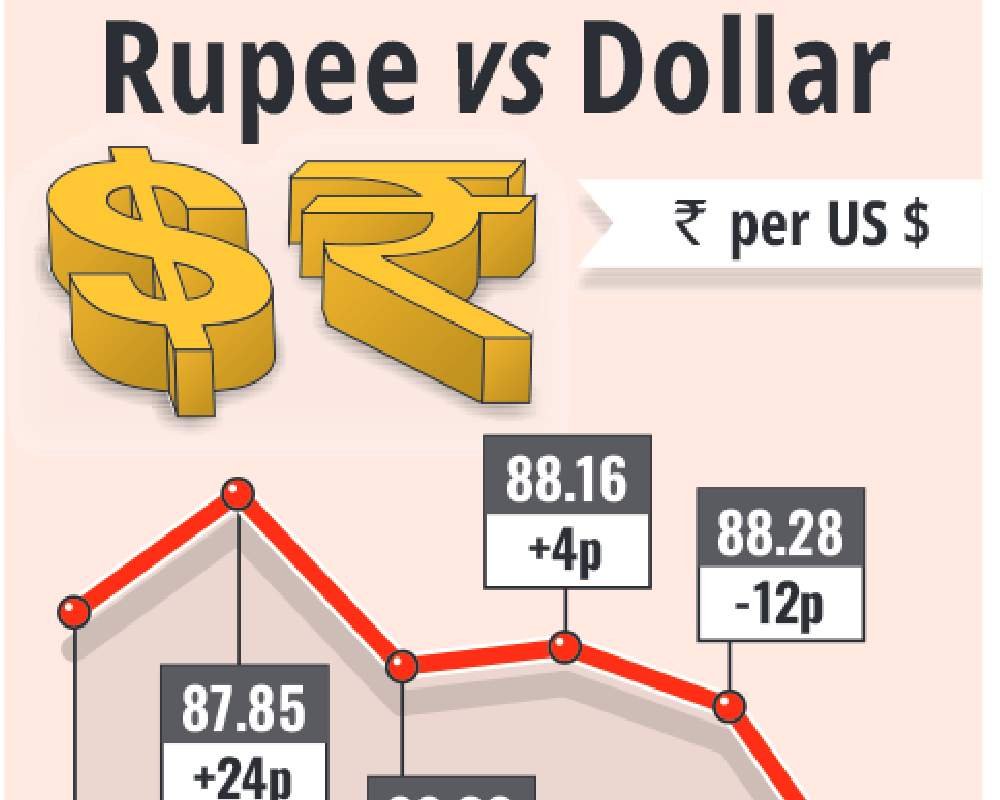
Analysts predict further weakening to 92 by March 2026, heavily dependent on a U.S.-India trade deal.
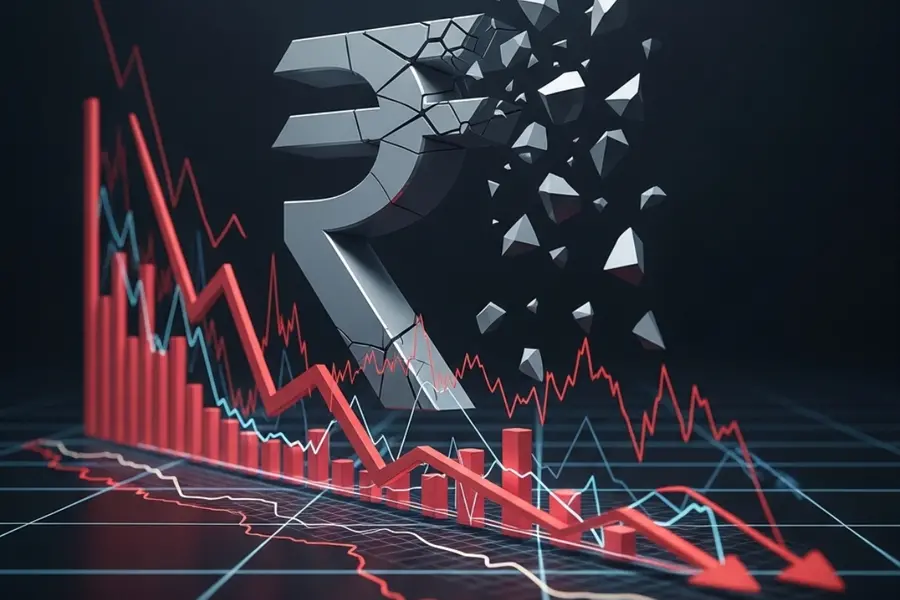
The Indian rupee has plunged to become Asia’s worst-performing currency in 2025, trading at around 89.6 against the dollar on December 22 after breaching the psychologically significant 90 mark earlier this month. The currency has weakened approximately 5.8% over the past year, marking its largest annual decline since 2022 when Russia’s invasion of Ukraine sent oil prices soaring.
Analysts from Nomura and S&P Global Market Intelligence predict the world’s fifth-largest economy could see its currency fall to 92 against the dollar by the end of March 2026, with any recovery largely dependent on reaching a trade deal with the United States. “We expect the rupee to be revalued with correction after there is more clarity on the U.S.-India trade agreement,” said Hanna Luchnikava-Schorsch, head of Asia-Pacific economics at S&P Global Market Intelligence.
Trade Tensions and Capital Outflows Drive Weakness
The rupee’s decline has been fueled by stalled U.S.-India trade negotiations and sustained foreign portfolio investor outflows exceeding $18.4 billion in 2025. The Trump administration has imposed punitive tariffs totalling 50% on Indian goods, 25% reciprocal tariffs and an additional 25% penalty for India’s purchases of Russian oil. These tariffs have pressured Indian exports, which dropped 8.6% to $6.3 billion in October before recovering with a 22.6% increase in November.
Recent trade talks in New Delhi from December 10-12 between Deputy U.S. Trade Representative Rick Switzer and Indian Commerce Secretary Rajesh Agrawal concluded with both sides agreeing to continue “purposeful and positive engagements,” though no breakthrough was announced. India has offered to immediately remove tariffs on items like walnuts, almonds, and apples, but its primary focus remains on removing the 25% Russian oil tariffs.
Central Bank Interventions Provide Temporary Relief
The Reserve Bank of India intervened aggressively on December 17 to stem the rupee’s decline, engineering the currency’s strongest intraday recovery in seven months after it briefly touched 91 per dollar. The intervention marked a shift from the RBI’s relatively passive stance earlier in December, with the central bank reportedly selling billions of dollars to defend the 90 level as a key support zone. Despite these efforts, market experts warn that the rupee will likely remain under pressure until foreign portfolio investor outflows reverse.
“The weakness of the rupee is a double-edged sword for foreign institutional investors,” noted Luchnikava-Schorsch, adding that while it may represent “a good entry point for Indian equities,” investors remain concerned about “prolonged rupee weakness and trade policy uncertainty”.
Subscribe to our Newsletter
Disclaimer: Kindly avoid objectionable, derogatory, unlawful and lewd comments, while responding to reports. Such comments are punishable under cyber laws. Please keep away from personal attacks. The opinions expressed here are the personal opinions of readers and not that of Mathrubhumi.