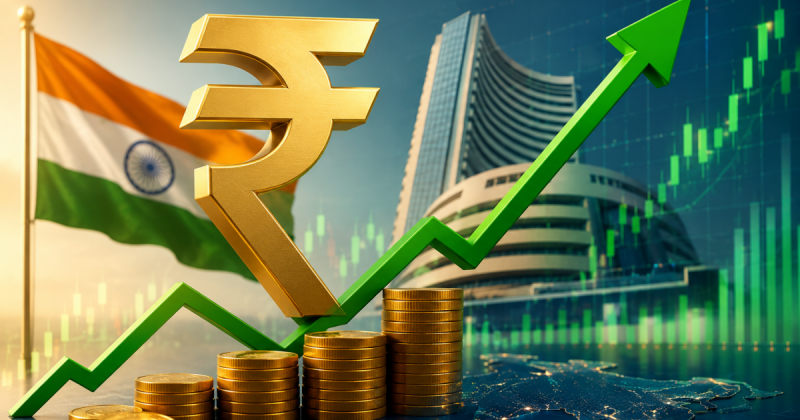
Hedging against the Indian Rupee’s weakness became costlier on Tuesday with the currency nearing the 90 mark, reflecting heightened concerns about further depreciation and expectations that the central bank may allow more exchange-rate adjustment.

The one-year dollar/rupee forward premium rose 7 basis points on Tuesday, taking its three-session rise to more than 12 bps. Meanwhile, the one-month premium hit 19.5 paisa, its highest level in nearly seven months.
One basis point is one-hundredth of a percentage point.
What is a forward premium for USD-INR?
Forward premiums represent the cost of locking in a future exchange rate for the rupee. When companies want to hedge themselves against the risk of the rupee weakening further, they buy dollars for delivery at a later date. Forward premiums rise when demand for hedging increases.
The rise in forward premiums reflects increasing demand for taking speculative positions against the rupee. A higher premium makes such positions expensive, yet the willingness of speculators to pay up indicates conviction that the rupee’s weakness may persist.
The forward premium for USD-INR is largely driven by the interest-rate differential between the US and India.
Rupee & RBI
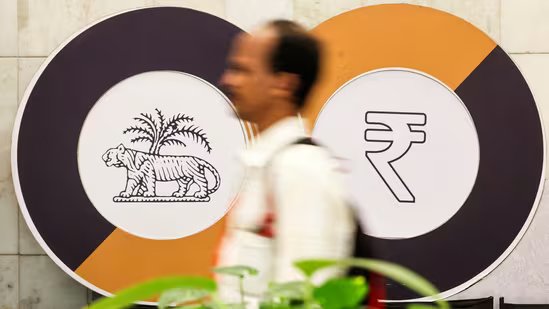
The speculative buildup has come at a time when pressure on the rupee has intensified, particularly after the Reserve Bank of India (RBI) allowed the currency to slip past the heavily defended 88.80 level.
The rupee weakened to 89.9475 against the US dollar on Tuesday, down 0.4% on the day and marking a new all-time low. The currency is on track for its fifth straight session of losses.
The break of the 88.80 level “altered” the market tone, emboldening participants who had previously been reluctant to bet against RBI’s defence, a Singapore-based portfolio manager at an Asia-focussed hedge fund said.
Bankers noted there has been no meaningful shift in policy expectations on either side in the last few days, suggesting that the recent rise in premiums is not interest rate-driven and instead appears to reflect demand-supply dynamics.