
The Reconnaissance Information General Bureau has been auditing officials at medium and large trading companies in Shenyang and Dandong since October, questioning their contacts, conversations and adherence to state quotas.
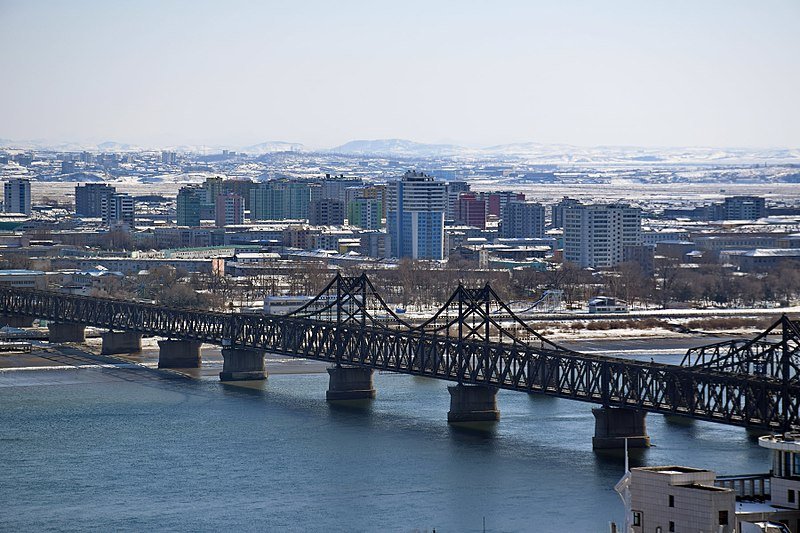
A source in China told Daily NK recently that the Reconnaissance Information General Bureau’s inspections had already been underway for a month, from October through mid-November. The inspections are reportedly targeting officials at medium and large trading companies under the bureau operating in Shenyang and Dandong, cities in China’s Liaoning province.
Daily NK reported back in August that the Central Committee of the Workers’ Party of Korea and the Cabinet’s Ministry of External Economic Relations were auditing trading officials operating in China.
Those inspections were focused on the operations and finances of officials at trading companies under the Central Committee and the cabinet, as well as on their progress toward fulfilling state quotas. Now trading companies under the Reconnaissance Information General Bureau are coming under scrutiny as well.
Notably, the questions being asked as part of these inspections are similar to the ones in August.
The bureau currently wants to know whom trading officials are meeting in China, what conversations they are having, whether they are meeting the government’s foreign currency quota and whether they have been trading for private gain.
Traders are perplexed by the bureau’s unusually close scrutiny of their activities.
Cryptocurrency sales draw closer monitoring from Pyongyang
One theory is that since traders have recently diversified their channels for earning foreign currency, the bureau may be concerned it is losing control over them.
Officials at trading companies under powerful organizations such as the Reconnaissance Information General Bureau and the Ministry of Defense are engaged in the illegal sale of cryptocurrencies to Chinese businesspeople. Since such activities bring in a minimum of $7,000–$8,000 a month in earnings, these organizations feel the need to closely monitor them.
But some say the inspections are having the effect of impeding traders’ activities. Traders who hope to expand Chinese investment in North Korea need to be actively networking, and prying questions about whom they are meeting and what they are discussing are sure to have a chilling effect on their movements.
“The Reconnaissance Information General Bureau is trying to rein in trading officials who are expanding their foreign currency earnings. If these inspections continue, trading officials will be disinclined to take bold action in China,” the source said.