When I was a child, a pound sterling bought more than two and a half dollars.
The inflation of the 1970s and the end of the Bretton Woods arrangements put an end to that.
In the mid 1980s I got hold of an invitation to a parity party, hosted by Citibank, for the date that one dollar was expected to be worth a pound. The party never happened.
Some might recall that the dollar also approached parity a couple of years ago, reaching $1.1 in October 2022. The low point for sterling was marked the day before prime minister Liz Truss resigned.
Which brings us nicely to the relationship between currencies and politics. There are many forces that move one currency against another: economic growth rates; interest rate differences; debt issuance expectations; and confidence in politicians.
These are paired. Higher economic growth can cause inflation and thus lead interest rates higher. Politicians can find themselves facing rising spending pressures and need to issue government debt to fund these costs.
Of course, issuing more debt also increases debt finance costs and so, in the medium term, politicians again need to focus on growing the economy to raise future tax revenues.
Global equity funds have, for the past dozen years, produced strong returns for UK based savers, perhaps contributing to the rise in popularity of global equity strategies and the demise of interest in UK equity products.
To a great extent this was down to the fastest-growing companies, especially technology companies, being based outside the UK, but the numbers were also steadily enhanced by sterling being a weak currency.
A pound would have bought around $2 in the depths of the 2008 financial crisis, and until a few months ago it would only have bought $1.2.
If half your portfolio had been in the US, the dollar move alone would have made your unit price rise around 2.5 per cent a year.
But the Donald Trump presidency may have turned this tailwind for global equities into a headwind.
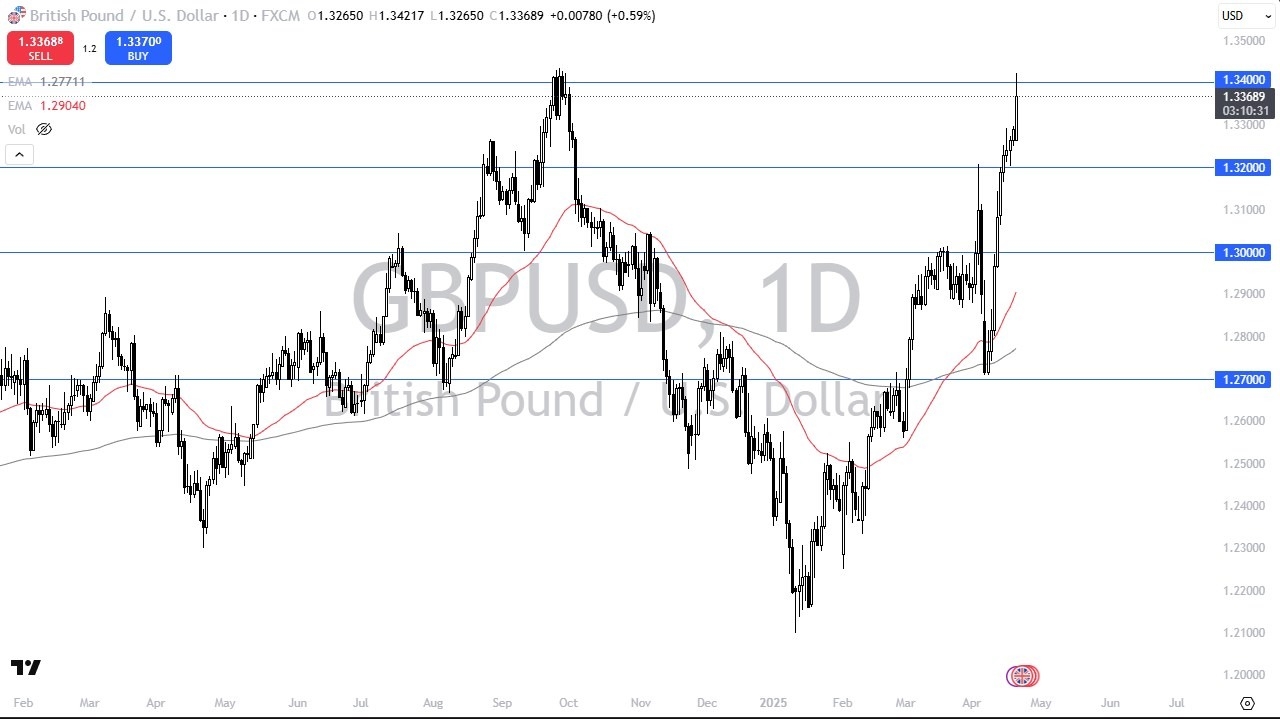
Markets initially celebrated the Trump election, the dollar rising so a pound could only buy $1.2, but during the last quarter the dollar has weakened so that a pound now buys $1.35. It is also weaker against the yen and the euro.
For a few dollars more
Investors seem to be concerned about a similar range of political factors to those that troubled sterling in 2022.
The dollar started weakening when Trump’s tariff policies were announced — one thing Truss managed to avoid — but it has continued to weaken as Trump’s “big beautiful bill” progresses through congress.
The so-called BBB bears comparison with former chancellor Kwasi Kwarteng’s policies in that it involves tax cuts on the shaky basis that such cuts will stimulate enough economic growth to make the cuts affordable.
There are also claims tariffs will bring in significant tax revenue, though few believe these forecasts — import tariffs tend to lead consumers to seek local alternatives.
Lastly, the way in which these new economic plans have been introduced has led to a fall in confidence in the US — and therefore the US dollar — as a safe haven.
President Trump seems to be in dispute with political leaders worldwide, his own courts and the leaders of both large American companies and the Federal Reserve.
That does not necessarily mean he is wrong, but it does make him look out of line.
Global investors have seen Jamie Dimon multiply the JPMorgan share price repeatedly over the years; they hear that Scott Bessent was in the background at Soros in the 1990s.
The vast majority will listen to Dimon and not Bessent in any public spat. The current spat regards the dollar being weak (due to the BBB) despite US bond yields going up.
Normally a higher bond yield would support the dollar — currently it is not — so markets are losing faith in the Trump team and the dollar.
A higher bond yield would support the dollar as global investors would buy US government debt to capture that extra risk-free return.
For global equity investors this does not mean you should sell all your dollar-based assets, but it has led many to look for a better balance between regions and currencies.
Equity implications
In the funds we manage at Goshawk we had been taking profits in our US technology shares since the start of the year, and following that becoming more cautious about the US consumer — although they may receive a tax break, falling confidence may not lead them to spend the extra cash, and tariffs may raise prices.
Our current global equity weighting holds less than 50 per cent of the fund in US stocks — down from close to 70 per cent six month ago.
This allows our European weightings to rise to around a third, with some of this shift coming from improved performance from the stocks we have selected in the UK and Europe.
This balance is more in keeping with the US share of global economic activity and reduces average valuation of stocks held in the fund.
Will the euro start to replace the dollar as the world’s haven currency? Or the Chinese renminbi? Or bitcoin? I leave such speculation to others. We global equity investors should be pragmatic and look for balance.
A key reason US equities appeared to be over-represented in the global equities index six months ago was the strength of the US dollar. Now that currency is weakening, this imbalance is starting to unwind — which is a relief.
Given how many macroeconomic factors, such as government debt and low growth, continue to be a worry, its good that the weaker dollar is taking one worry away.
Simon Edelsten runs the Goshawk Global equity fund